•  
My Cart

When is it Time to Replace Our Car Seat or Booster Seat?

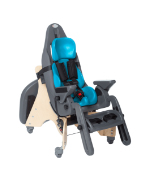
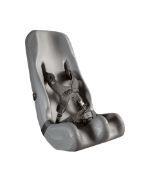
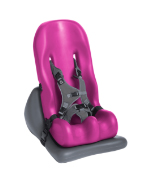
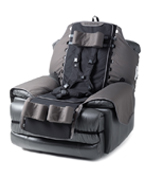
Is it time to replace your car seat or booster seat? Proper fit is important for safety and comfort. Consider the following questions when deciding to replace you special needs car seat:

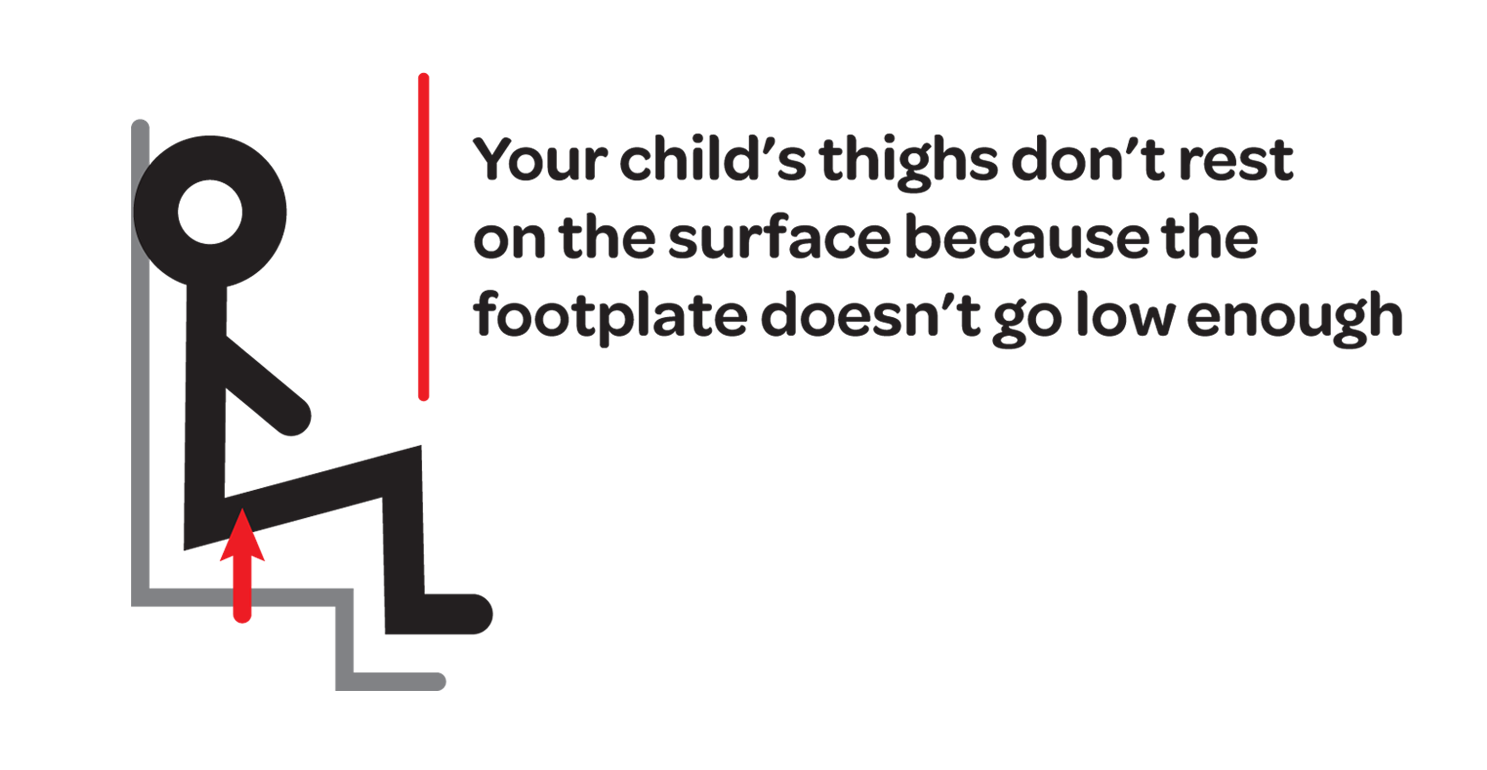
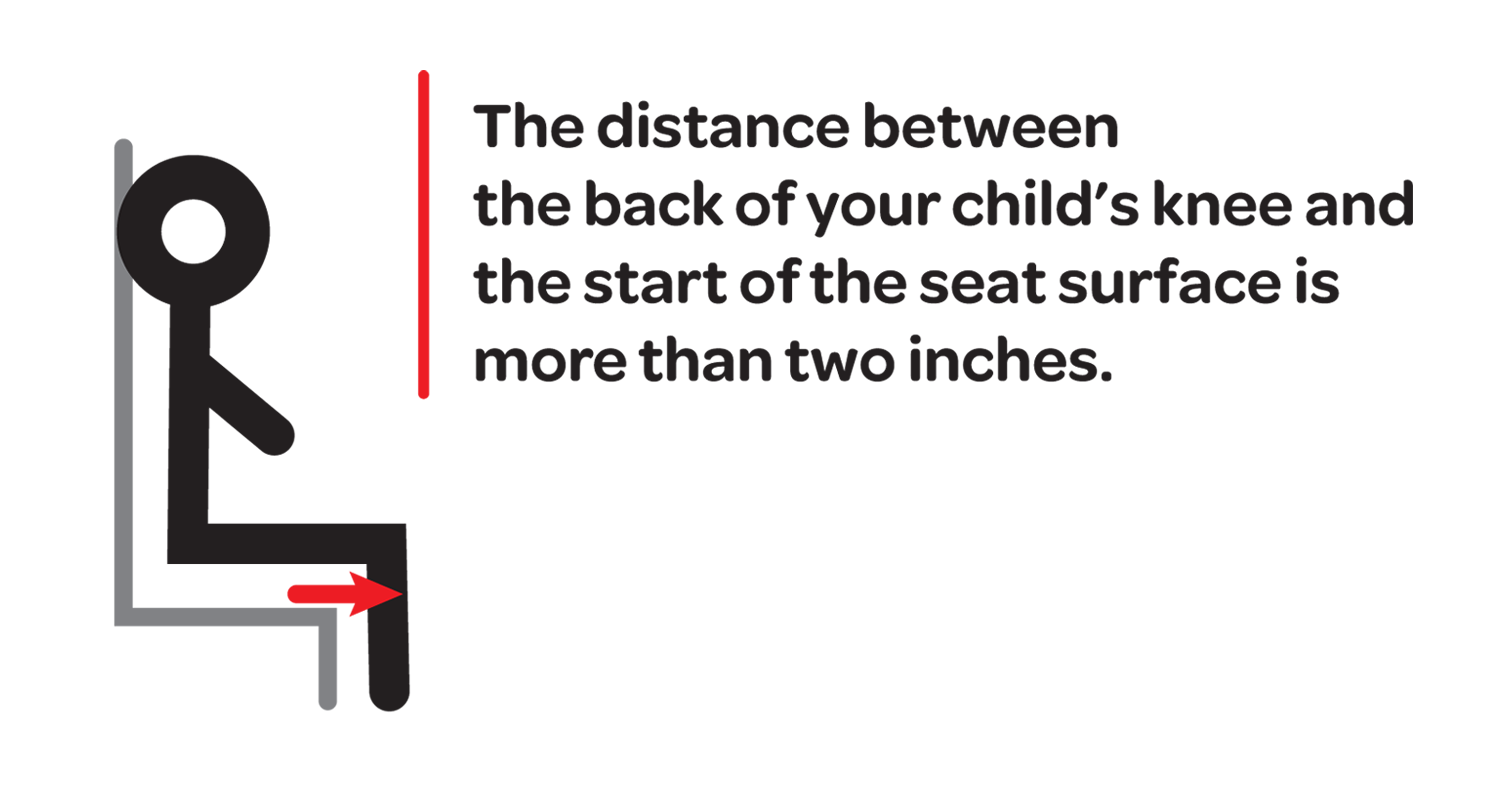
    • Are there more than 2 inches between the back of the individual's knee and the start of the seat?

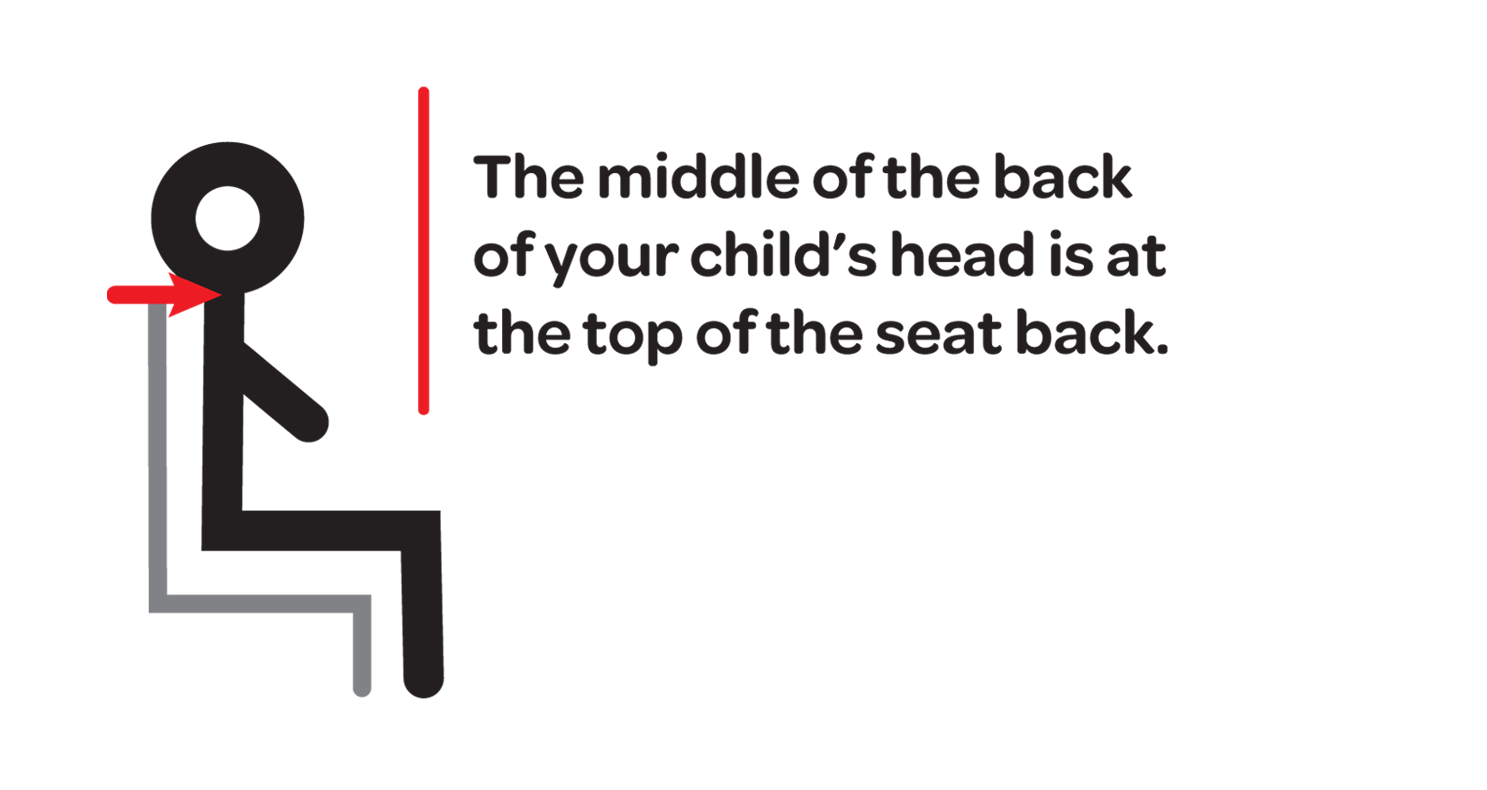
    • Does the middle of the child's head extend past the top of the seat back?

    • Does the individual’s weight exceed the maximum weight capacity of the car seat?
Questions about special needs car seats? Our therapists can help! Give us a call at 1-800-371-2778.

With Patience and Understanding,

When is it Time to Replace Your Car Seat or Booster Seat?

Is it time to replace your car seat or booster seat? Proper fit is essential for both safety and comfort, but a seat's physical condition is just as critical. Use the following guide to determine if your special needs car seat is still safe for use


The Fit Check

Consider these three questions to see if your child has outgrown their current seat:

1  Knee Clearance: Are there more than 2 inches between the back of the individual's knee and the start of the seat?


Head Height: Does the middle of the child's head extend past the top of the seat back?


Weight Limit: Does the individual’s weight exceed the maximum capacity specified by the manufacturer?


Critical Safety & Maintenance Checks

A car seat must be replaced immediately if it is visibly damaged, has been recalled, or has been involved in a moderate-to-severe crash (including any incident requiring a tow, involving injury, or where airbags deployed).

Beyond accidents, keep these additional safety factors in mind:

  • Expiration Date: Check the manufacturer's sticker, usually found on the base or side of the seat. Car seats generally expire 6–10 years after manufacture. Over time, plastic degrades and may not perform properly in a crash.
  • Accident Involvement: While NHTSA recommends replacement after moderate to severe crashes, some manufacturers require replacement after any incident.
  • Damaged or Missing Parts: Inspect the seat regularly for cracks in the plastic shell, broken buckles, or missing hardware.
  • Strap & Harness Damage: If the harness webbing is frayed or torn, or if the buckle mechanisms do not lock firmly, the seat is unsafe.
  • Recalls: If a seat is recalled and cannot be repaired with an official kit from the manufacturer, it must be replaced.
  • Unknown History: Never use a second-hand seat if you do not know its full history, as it may have hidden structural damage.

Proper Disposal

Before disposing of an old or expired seat, cut the harness straps and mark "Do Not Use" clearly on the shell in permanent marker. This prevents others from inadvertently using an unsafe seat.

Questions about special needs car seats? Our therapists can help! Give us a call at 1-800-371-2778.

With Patience and Understanding,